
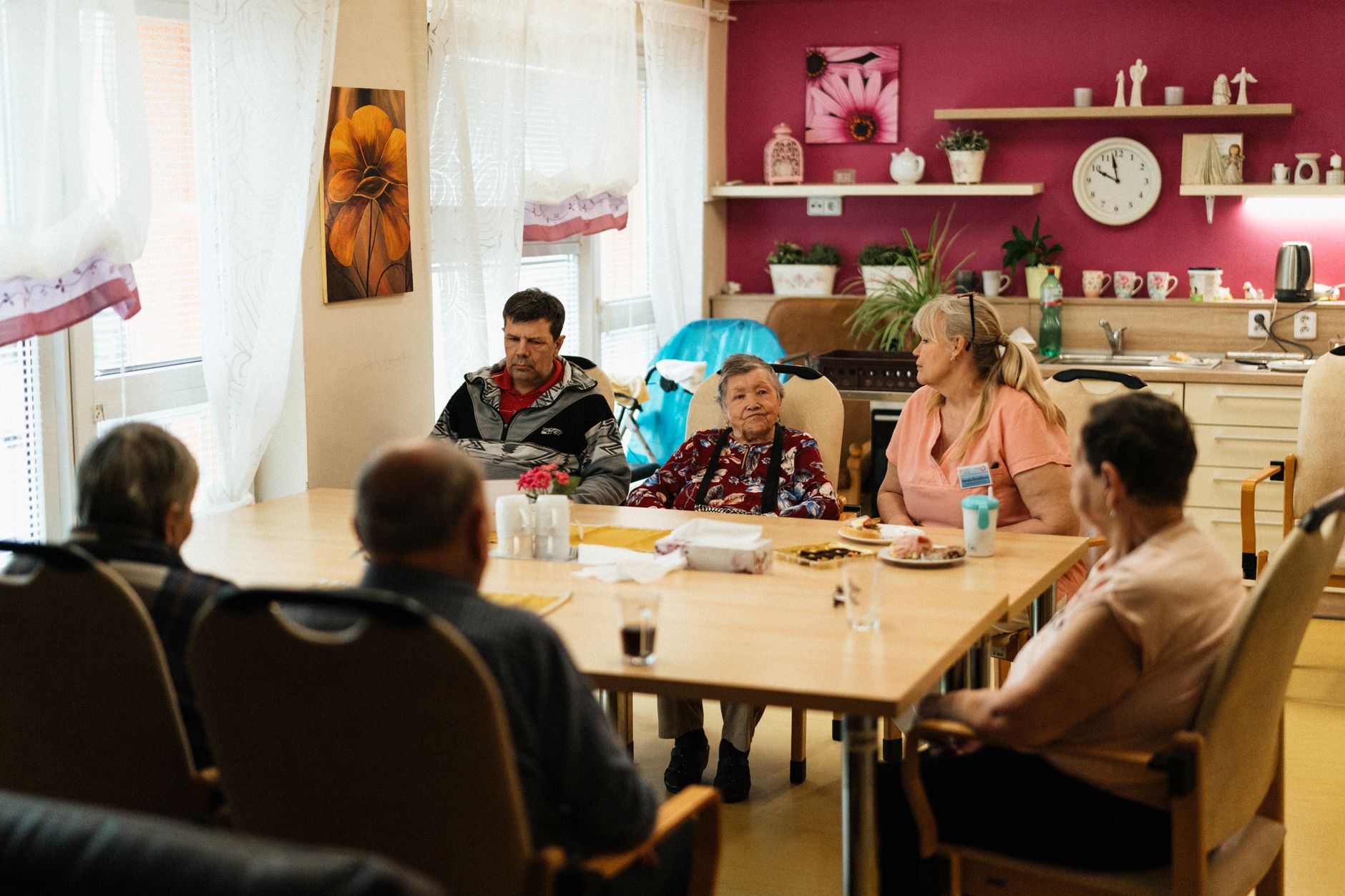
Caregiver Support Groups: How to Find Local & Online Help (2026)
Family caregivers in the U.S.
Experience burnout without support
In support groups report coping better
Sources: AARP/NAC Caregiving in the US 2020; National Alliance for Caregiving
Quick Answer
The fastest way to find a caregiver support group: call the Alzheimer's Association (800-272-3900) for any dementia-related caregiving, or search the Caregiver Action Network's group locator at caregiveraction.org. For online support, the Family Caregiver Alliance (caregiver.org) has condition-specific forums active 24/7. Most groups are free and open to any family caregiver, not just for the specific diagnosis.
Why Caregiver Support Groups Work
The research on caregiver support groups is clear: regular participation produces measurable improvements in both mental health and care quality. Here is what the evidence shows:
- 1
Reduces caregiver depression by up to 30% — AARP research consistently shows that caregivers who participate in support groups experience significantly lower rates of clinical depression compared to isolated caregivers.
- 2
Provides practical tips from those 6–12 months ahead in the caregiving journey — group members who have already navigated medication management, care transitions, or behavioral changes share knowledge that no pamphlet can replicate.
- 3
Reduces time-to-decision on care placement by 40% — caregivers who participate in support groups make care placement decisions faster because they hear firsthand accounts from others who have already been through the process.
Types of Caregiver Support Groups
Condition-Specific
Groups focused on Alzheimer's, Parkinson's, stroke, ALS, or dementia caregiving. Members share the same disease trajectory, making practical advice highly relevant.
- Alzheimer's caregivers
- Parkinson's families
- ALS caregivers
- Post-stroke support
Setting-Specific
Organized around the caregiving environment — whether you provide in-home care, visit a nursing home regularly, or manage care from another city.
- In-home caregivers
- Nursing home family members
- Long-distance caregivers
Online & Virtual
Zoom-based meetings and 24/7 discussion forums ideal for rural caregivers, those who cannot leave home, or anyone needing support outside business hours.
- Zoom video meetings
- 24/7 online forums
- Text-based communities
Grief & Bereavement
For caregivers after the death of their loved one — often the most underserved group. Provides space to process loss alongside others who understand the unique grief of caregiving.
- Post-loss caregiver grief
- Hospice bereavement programs
- Online grief communities
National Organizations with Group Finders
These organizations operate or maintain directories of caregiver support groups across the United States:
Alzheimer's Association
1-800-272-3900700+ support groups nationwide, 24/7 helpline, condition-specific resources
Caregiver Action Network
Condition-specific online communities for every major diagnosis
Family Caregiver Alliance
State-by-state resource finder, condition-specific online forums active 24/7
AARP Caregiver Support
Online community plus local chapter referrals across the US
American Cancer Society
1-800-227-2345Dedicated programs for cancer caregivers and family members

Caregiver Burnout: Warning Signs
How often caregivers experience each sign — a support group helps with all of these
Source: Family Caregiver Alliance National Survey
What to Expect at Your First Meeting
Many caregivers feel nervous about attending a support group for the first time. Here is what typically happens:
- 1
Listen first — most first-timers spend the first meeting observing. You are not expected to share your story right away.
- 2
Share only what you're comfortable with — groups are confidential and there is no pressure to disclose personal or medical details.
- 3
Groups use first names only — this protects everyone's privacy and keeps the focus on the caregiving experience rather than identities.
- 4
A facilitator keeps structure — either a trained volunteer or social worker guides the conversation to ensure everyone has a chance to speak.
- 5
You can leave at any time — if the group does not feel right, there is no obligation to return. Finding the right group sometimes takes trying two or three.
How to Find a Group by ZIP Code
If you prefer an in-person group close to home, these three methods will find local options in almost every US county:
1. Call 211
Dial 211 from any phone — it connects to your local health and human services hotline. Operators can provide caregiver support group listings by ZIP code and often make direct referrals.
2. Ask the Person's Primary Care Physician
A physician or social worker on staff can provide a referral to local caregiver support programs — especially hospital-based groups or those affiliated with the patient's care team.
3. Contact Your County's Area Agency on Aging
Visit eldercare.acl.gov to find your local Area Agency on Aging. Every AAA maintains a list of caregiver support resources in their service area.
Watch: Caregiver Support Resources
When Online Groups Are a Better Fit
In-person groups are not always practical. An online or virtual support group is often the better choice when:
- You live in a rural area with few or no local groups within a reasonable drive
- You provide nighttime care and cannot commit to a daytime meeting schedule
- You feel uncomfortable discussing your family's situation in a local community where you might be recognized
- Your loved one has a rare condition with very few local group members — online communities gather nationwide participants
Need More Than a Support Group?
Support groups are a powerful first step — but some caregivers need professional guidance on burnout recovery, or help finding the right care setting for their loved one.
Frequently Asked Questions
Are caregiver support groups free?▾
Yes — the vast majority of caregiver support groups are free of charge. This includes groups run by the Alzheimer's Association, hospital systems, hospice organizations, and non-profits. Some private therapist-facilitated groups charge a fee. If you are asked to pay, verify the group is legitimate before sharing any financial information.
Can I attend a support group for a condition I don't have personal experience with?▾
Yes. Many caregivers attend groups for the general experience of caregiving, not just for their loved one's specific diagnosis. However, condition-specific groups (like Alzheimer's caregivers) often provide more targeted practical advice and a deeper sense of shared experience.
What's the difference between a support group and therapy?▾
A support group is peer-led or volunteer-facilitated — members share experiences and advice but there is no licensed therapist making clinical assessments or providing individualized treatment. Therapy (or counseling) is provided by a licensed professional (therapist, psychologist, social worker) and involves a therapeutic relationship. Both are valuable; support groups are not a substitute for therapy when clinical symptoms are present.
How often do caregiver support groups meet?▾
Most meet once or twice per month, typically 60–90 minutes. Online groups may have ongoing forums that are available continuously. Some hospital-based groups meet weekly. Attendance is usually open — you can come and go as your schedule allows.
Can I attend as a long-distance caregiver?▾
Yes — and online groups are especially valuable for long-distance caregivers who carry emotional weight without being physically present. The Caregiver Action Network and Family Caregiver Alliance both have active online communities specifically welcoming long-distance caregivers.
Find verified senior care communities
Browse our directory of 2,000+ assisted living, memory care, and skilled nursing facilities — each with AllyKin Safety Scores, CMS inspection data, and state licensing records.
Browse all communities →